
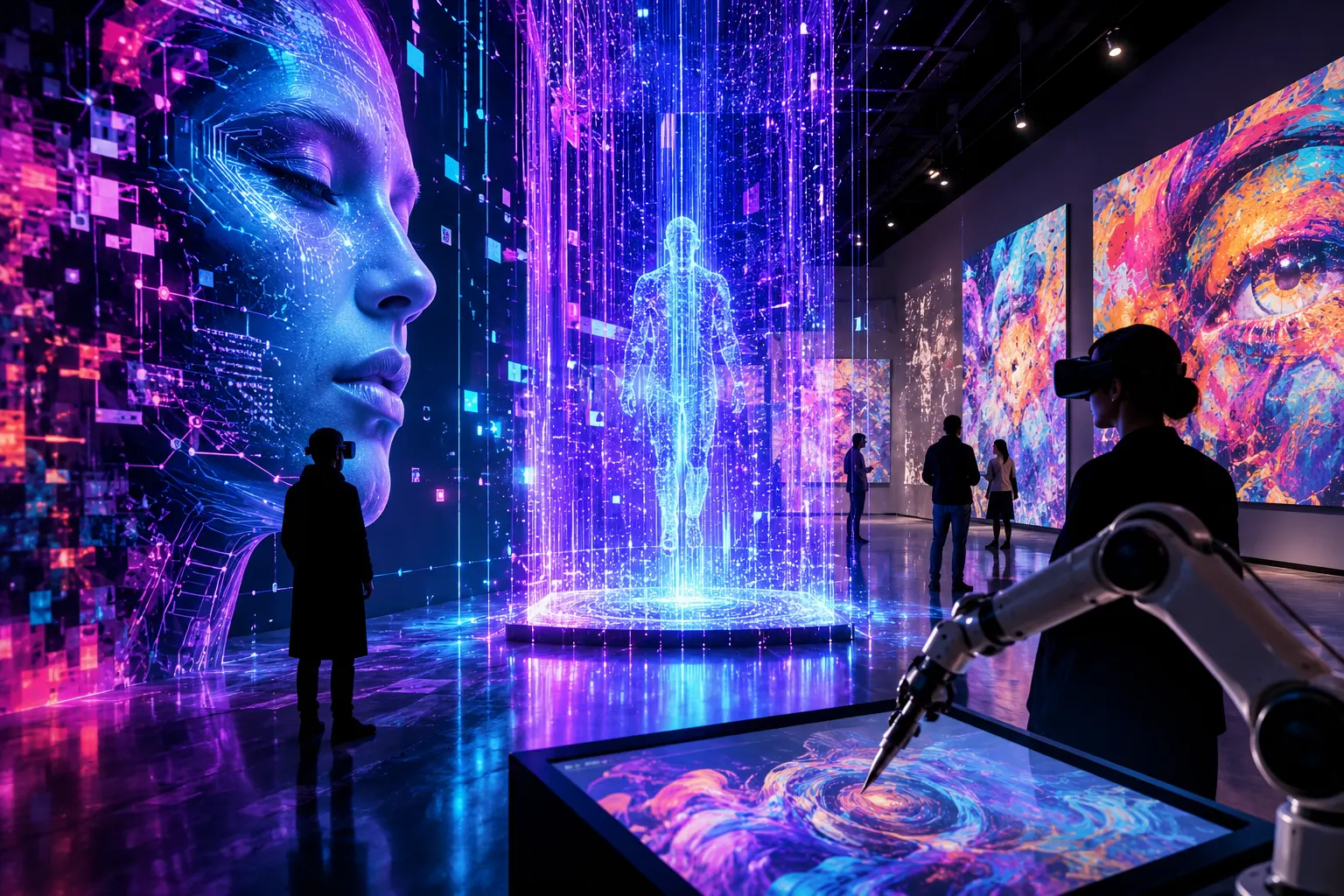
What Is New Media Art?
New media art is a contemporary art approach that uses technology not just as a tool, but as a fundamental part of artistic expression. Video art, digital installations, augmented reality, virtual reality, AI-generated works, sound design, data art, and interactive projects are among the key examples of this field.
While traditional art is often associated with physical forms such as canvas, sculpture, photography, or print, new media art integrates digital technologies to involve the audience directly in the process. Therefore, the future of new media art is transforming not only how artists create but also how audiences experience art.
The New Language of Art in the Digital Age
As technology evolves rapidly, the language of art is also changing. Art is no longer just an object displayed on a wall; it has become a dynamic experience that communicates with the viewer. A digital installation can respond to movement, while an AI-based artwork can reshape itself based on user input.
This transformation blurs the boundaries between artist and audience. The viewer is no longer a passive observer but an active participant contributing to the creation of the artwork. The future of new media art will continue to evolve within this interactive, dynamic, and experience-driven framework.
Artificial Intelligence and Art Production
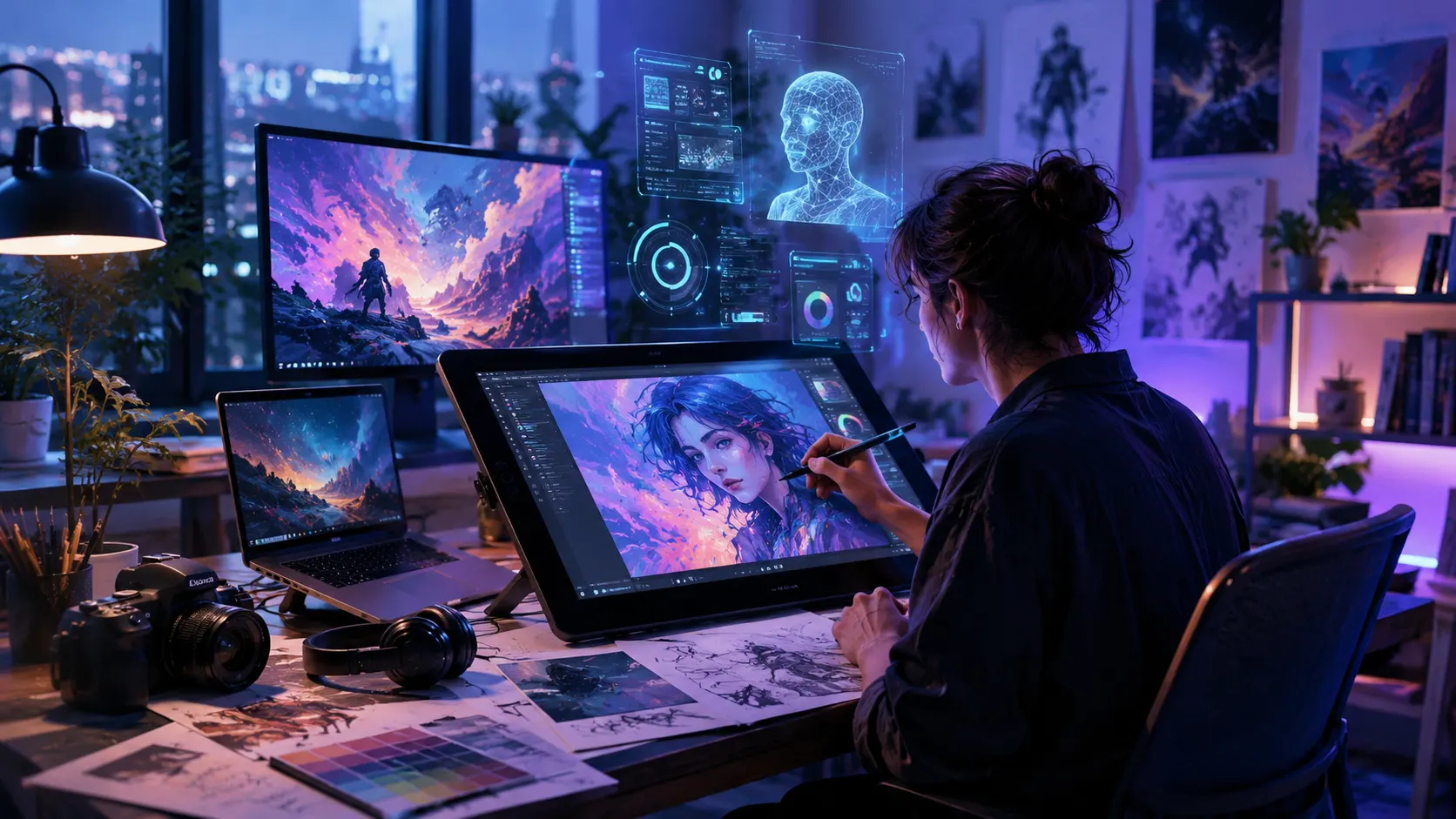
Artificial intelligence is one of the most influential technologies shaping the future of new media art. Artists now use AI systems for visual creation, sound design, text generation, motion analysis, and data interpretation.
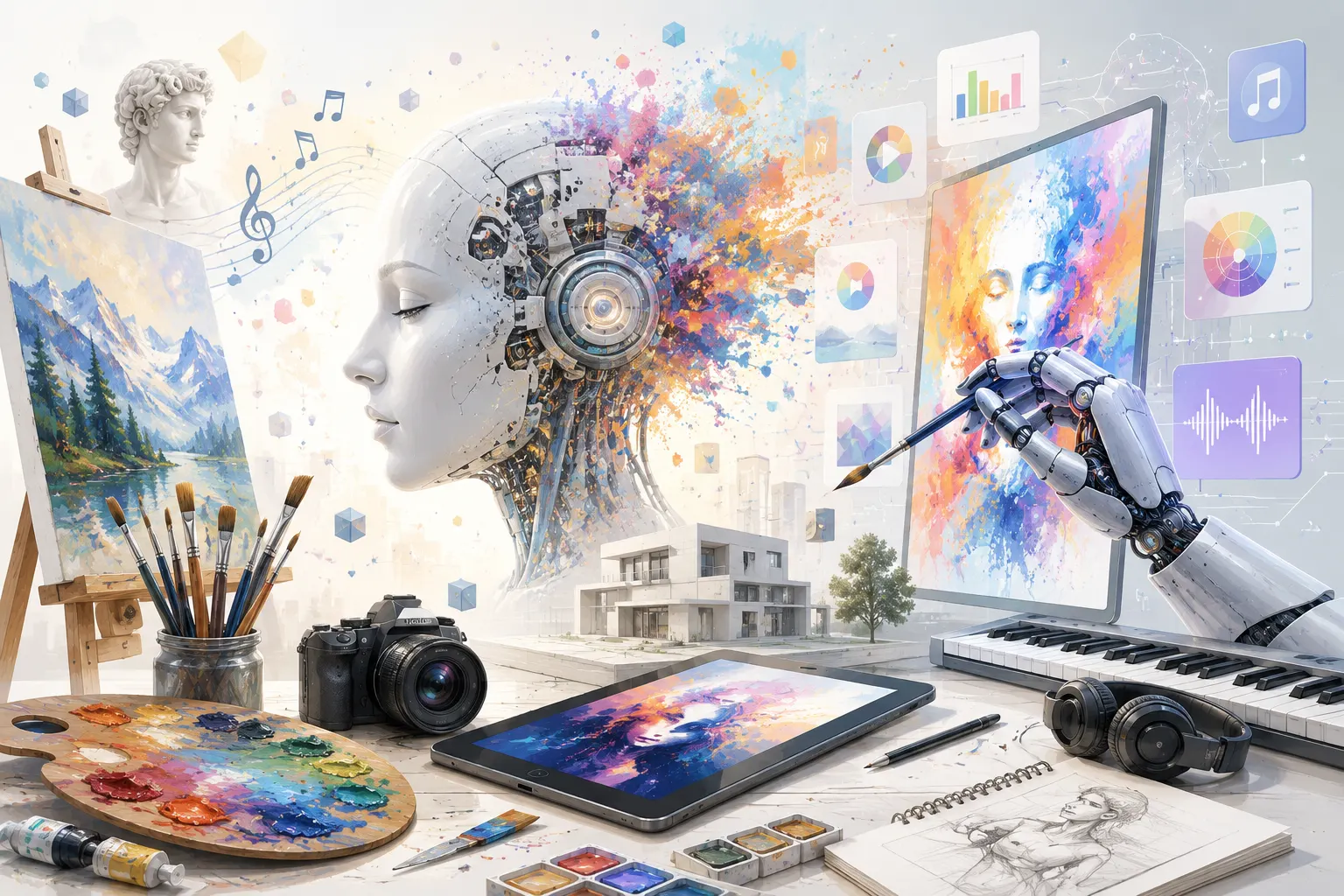
However, an important question arises: Will AI replace artists, or will it provide new forms of expression? Most likely, AI will not replace artists but will act as a creative partner that expands human imagination.
AI-generated artworks also raise important discussions about originality, copyright, ethical use, and human creativity. Therefore, the future of new media art will develop not only technologically but also through philosophical and ethical debates.
Virtual Reality and Augmented Reality Experiences
Virtual reality (VR) and augmented reality (AR) will play a significant role in the future of new media art. VR allows viewers to immerse themselves in fully digital artistic environments, while AR overlays digital elements onto the physical world, blurring the line between reality and virtual space.
These technologies can be used in museums, galleries, educational institutions, and public spaces. For example, visitors in an exhibition can experience invisible digital sculptures, moving visuals, or layered soundscapes through their smartphones or specialized devices.
In the future, artworks may no longer be tied to a specific location. People will be able to access digital art experiences from their homes or through online platforms, making art more accessible, personal, and global.
The Rise of Interactive Art
One of the strongest aspects of new media art is interactivity. While traditional artworks often position the viewer as passive, new media art allows the audience to become part of the artwork itself. Motion sensors, touchscreens, voice commands, cameras, and biometric data enable artworks to respond to user behavior.
Such artworks offer unique experiences to each viewer. Two people interacting with the same piece may encounter entirely different outcomes. This transforms art from a static object into a living system.
In the future, interactive art is expected to become even more advanced. Combined with AI and data technologies, artworks may adapt to a viewer’s emotions, movements, voice, or preferences in real time.
NFTs and Digital Collecting Culture
When discussing the future of new media art, digital ownership is also a key topic. NFT technology has introduced a new era in the art world by giving digital artworks unique identities and enabling ownership.
Although the NFT market experiences fluctuations, the ownership, archiving, and trading of digital art will likely continue to evolve with more advanced systems. The focus is not only on economic value but also on how digital art can be preserved and passed on to future generations.
Unlike physical artworks, digital pieces require different preservation methods. File formats, software, display technologies, and servers may change over time. Therefore, digital archiving and conservation will be crucial in the future of new media art.
The Transformation of Museums and Galleries
New media art is also reshaping the concept of museums and galleries. Exhibition spaces are no longer just places where artworks hang on walls; they are becoming multi-layered environments involving sound, light, motion, data, and audience interaction.
In the future, museums will require more advanced digital infrastructure. It will be just as important to maintain artworks with up-to-date technologies as it is to display them. This will lead to closer collaboration between curators, programmers, designers, engineers, and artists.
New media art strengthens interdisciplinary production. An artwork may now be the result of collaboration between artists, coders, sound designers, data analysts, and spatial designers.
Ethical Questions in New Media Art
The integration of technology into art brings many ethical questions. What data is used to train AI systems? Who owns the rights to digital visuals? How is audience data collected and stored? Does reliance on technology affect human creativity?
These questions will become more prominent in the future of art. For new media art to develop sustainably, ethical principles must accompany technological innovation. Artists, institutions, and technology developers will need to act more transparently and responsibly.
How Will the Future of New Media Art Evolve?
The future of new media art will expand further with artificial intelligence, virtual reality, augmented reality, data art, biotechnology, robotics, and interactive platforms. Artworks will become more personalized, dynamic, and participatory.
Artists will emerge not only as creators of visuals but as designers of experiences. Audiences will no longer be passive consumers but active participants who complete the meaning of the artwork.
This transformation will position art as a powerful medium for exploring the relationship between humans and technology. New media art will not only be an aesthetic expression but also a tool for understanding digital culture.
Conclusion
The future of new media art is being shaped at the intersection of digital technology and human creativity. Artificial intelligence, virtual reality, augmented reality, interactive systems, and digital collecting culture will continue to transform how art is created and experienced.
However, at the core of this future lies not only technology but also human imagination, emotion, and critical thinking. While technology evolves, the fundamental purpose of art remains the same: to inspire thought, evoke emotion, and offer new perspectives.
New media art will continue to expand the boundaries of artistic expression and make audiences active participants in the creative process.

No comments yet. You can leave the first one.