
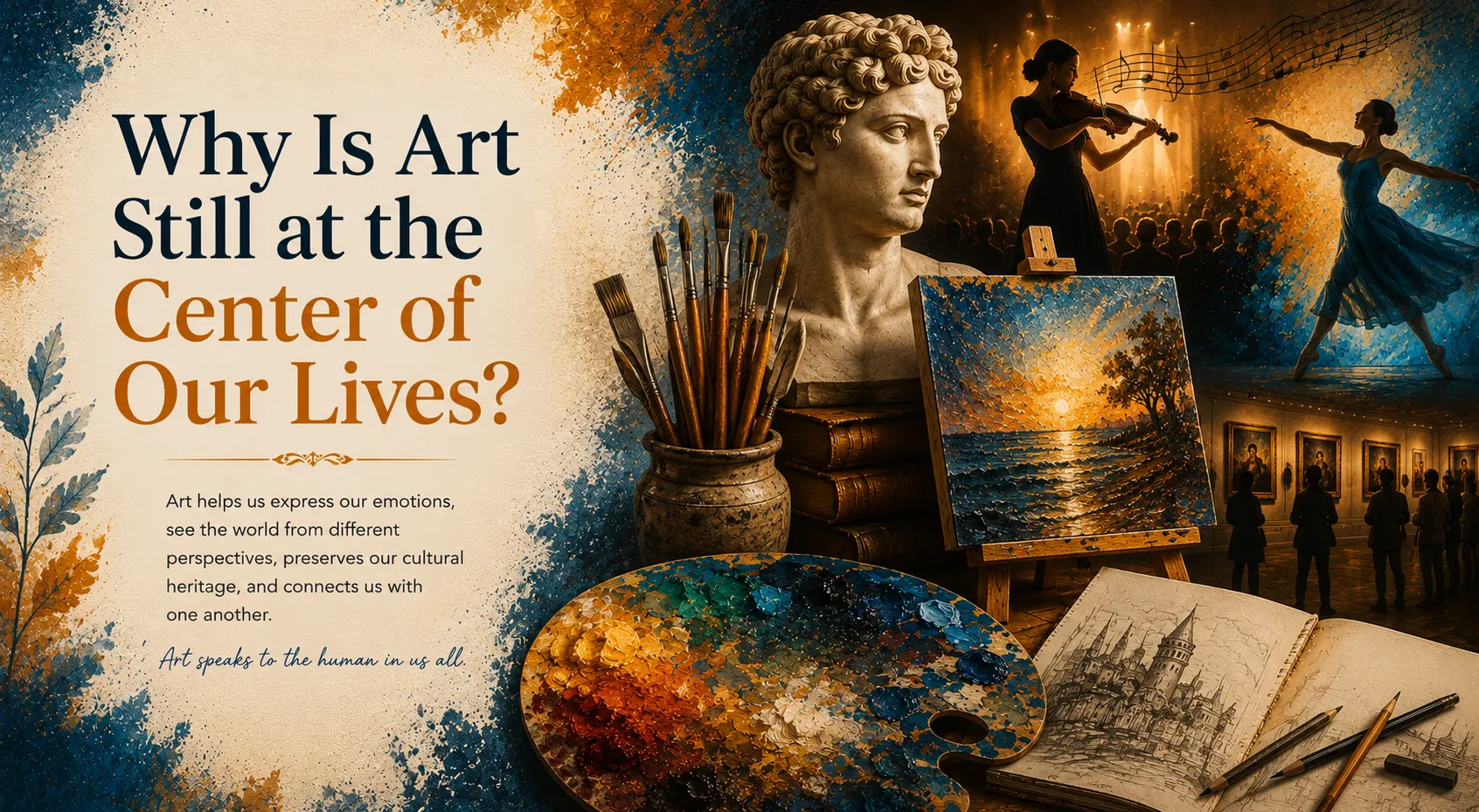
We live in an age where technology is developing at a dizzying pace, and the digital world permeates every aspect of life. Much of our daily lives are shaped by screens; we communicate, work, shop, and even have fun. Despite this, art continues to hold an important place in people's lives today, as it has for centuries. Museums welcome millions of visitors, concert halls are packed, exhibitions attract interest, and works of art still manage to touch people's emotions. So, despite all these changes, why does art still remain at the center of our lives?
Humans Need to Express Themselves
One of the most important reasons for the continued existence of art is the human need to express oneself. From the earliest periods of history, people have tried to express their experiences, feelings, and thoughts in various ways. Figures drawn on cave walls, ancient sculptures, classical paintings, and today's digital art works are all different reflections of the same need.
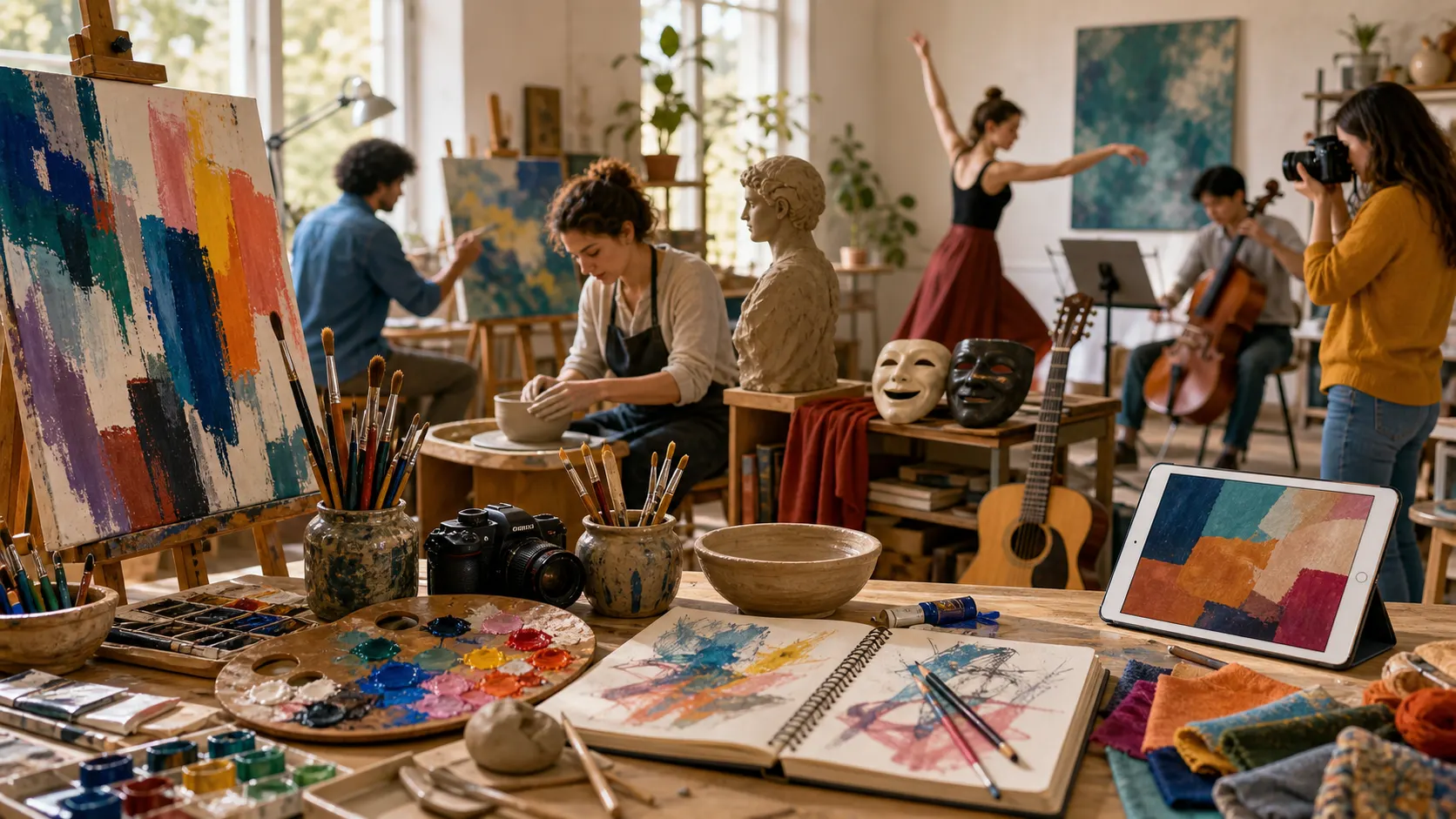
Humans express themselves not only through speaking but also through creation. A painter shares their story with colors, a musician with notes, a writer with words, and a photographer with images. In this respect, art is one of the most powerful ways for an individual to express their inner world.
The Universal Language of Emotions
Another reason why art defies time is that it uses the universal language of emotions. People living in different countries and cultures can be affected by the same music or feel similar emotions in front of the same painting.
Understanding a work of art doesn't always require speaking the same language. Because art often transcends words. The sadness in a melody, the hope in a painting, or the feeling of loneliness in a sculpture can reach the viewer directly. Therefore, art is a powerful communication tool that builds invisible bridges between people.
It Takes You Away from the Chaos of Daily Life
The pace of modern life is accelerating every day. Between constant notifications, intense work schedules, and never-ending responsibilities, people find it difficult to make time for themselves. This is where art comes in.
Listening to a concert, visiting an exhibition, or getting lost in the pages of a beloved book can take one away from the noise of daily life. Art offers individuals a breathing space. While resting the mind, it also provides an opportunity to think and feel.
Therefore, for many people, art is not just a hobby, but also a means of escape and renewal.
It Provides Different Perspectives
One of the most valuable qualities of art is its ability to offer people different perspectives. A work of art often encourages the viewer to step outside of their usual thought patterns. Trying to understand how the artist sees the world can lead the individual to question their own perspective.
For example, a photography exhibition can open a new window into the lives of people we have never met. A novel can help us understand different cultures and life experiences. A film can make us think about social issues we have never considered before.
In this respect, art is not only entertaining, but also a force that teaches and develops.
It is a Carrier of Cultural Heritage
Works of art are important tools that preserve the memory of societies. Thanks to artifacts from past civilizations, we can learn how people lived, what they believed in, and what values they embraced.
A country's history is not only preserved in books, but also in its museums, architecture, music, and works of art. Therefore, art plays a significant role in transmitting cultural heritage to future generations.
Today, people from all over the world are exploring the past and cultural richness of societies by examining the works of art from different countries. This demonstrates that art has not only individual but also societal value.
The New Face of Art in the Digital Age
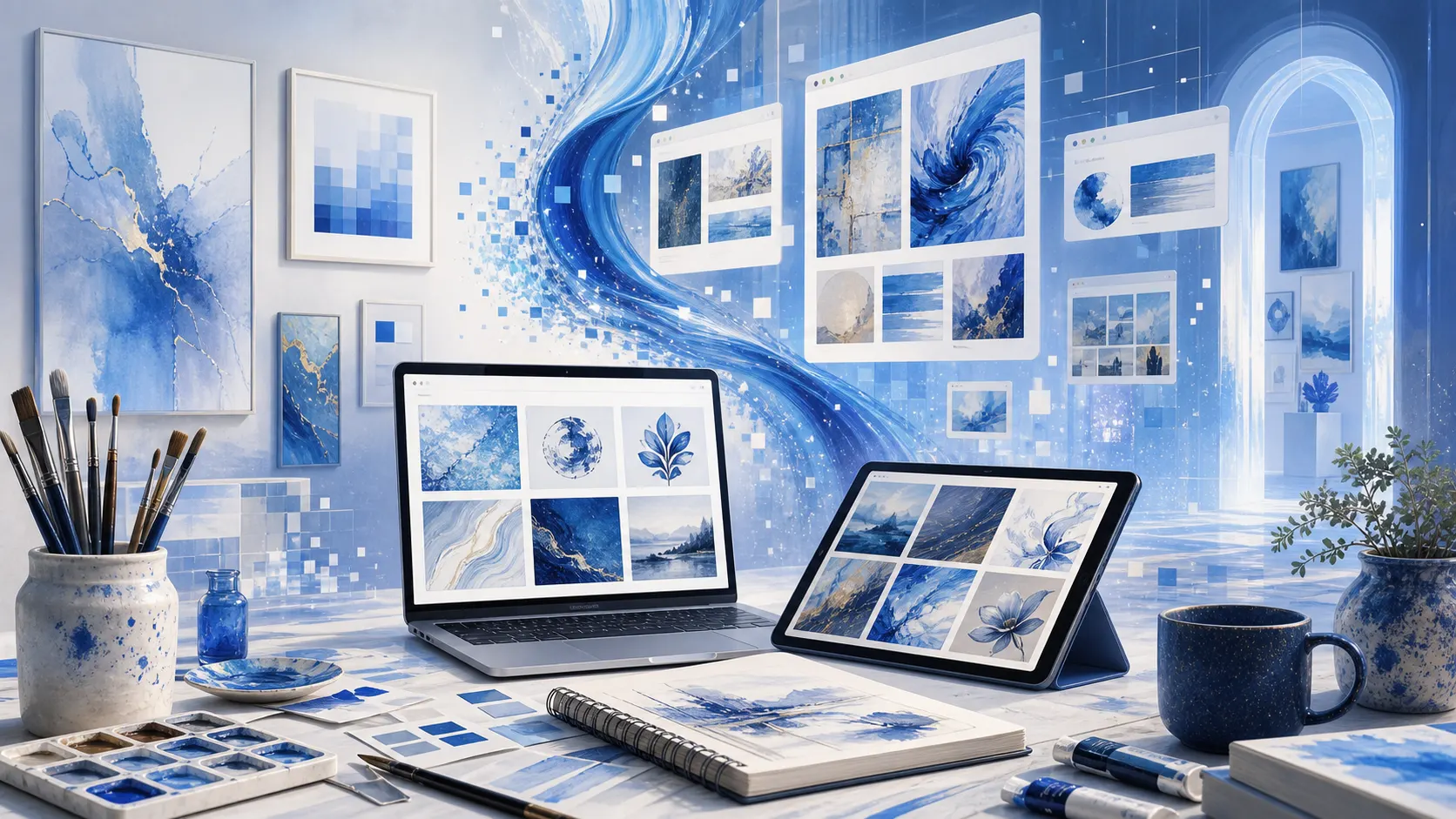
Technological advancements have strengthened art in various ways rather than diminishing its importance. New concepts like digital art, augmented reality projects, online exhibitions, and NFTs have opened new doors to the art world.
Now, an artist can share their work with people anywhere in the world. Similarly, art lovers can virtually visit museums in different countries. These developments increase the accessibility of art and allow it to reach wider audiences.
However, even though the tools used change, the essence of art remains the same. As long as people continue to need to express their feelings, thoughts, and stories, art will continue to exist.
Conclusion
The reason art remains central to our lives is that it is an integral part of human nature. Art helps us understand our emotions, express ourselves, gain different perspectives, and breathe amidst the fast-paced rhythm of life.
No matter how advanced technology becomes, people will continue to feel, think, and tell stories. This is where the power of art lies. It is not only a legacy of the past; it is also an indispensable part of the present and the future. Because art is one of the most powerful languages for communicating with one another, it will continue to be central to our lives in every era.

No comments yet. You can leave the first one.