
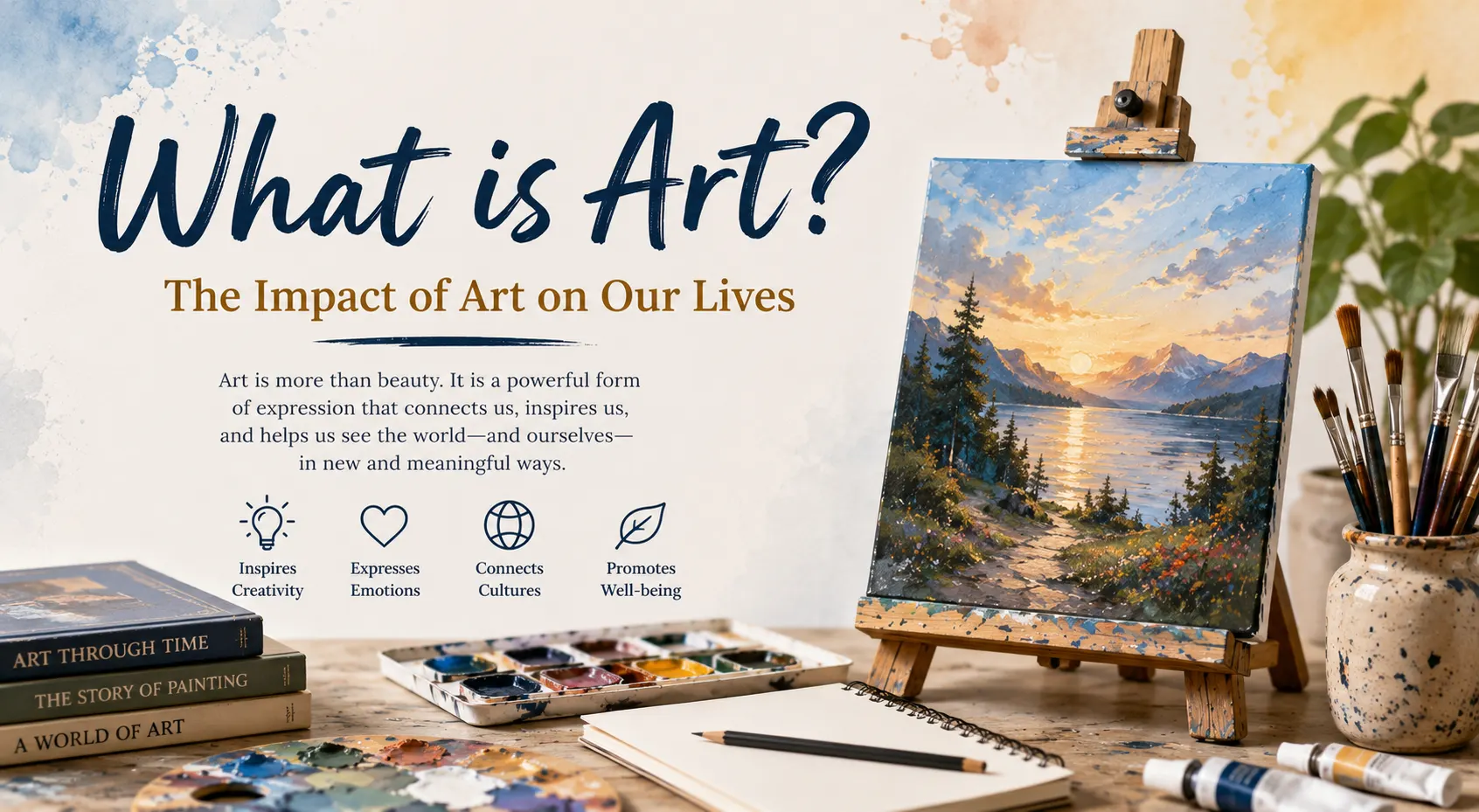
What is Art? The Effects of Art on Our Lives
Art is one of the oldest forms of expression in human history. For centuries, people have conveyed their emotions, thoughts, and imaginations through art. With many different branches ranging from painting to music, literature to theater, art allows individuals to express themselves while also contributing to the cultural development of societies. Today, art is seen not only as an aesthetic pursuit but also as an important part of individual and social development.
What is Art?
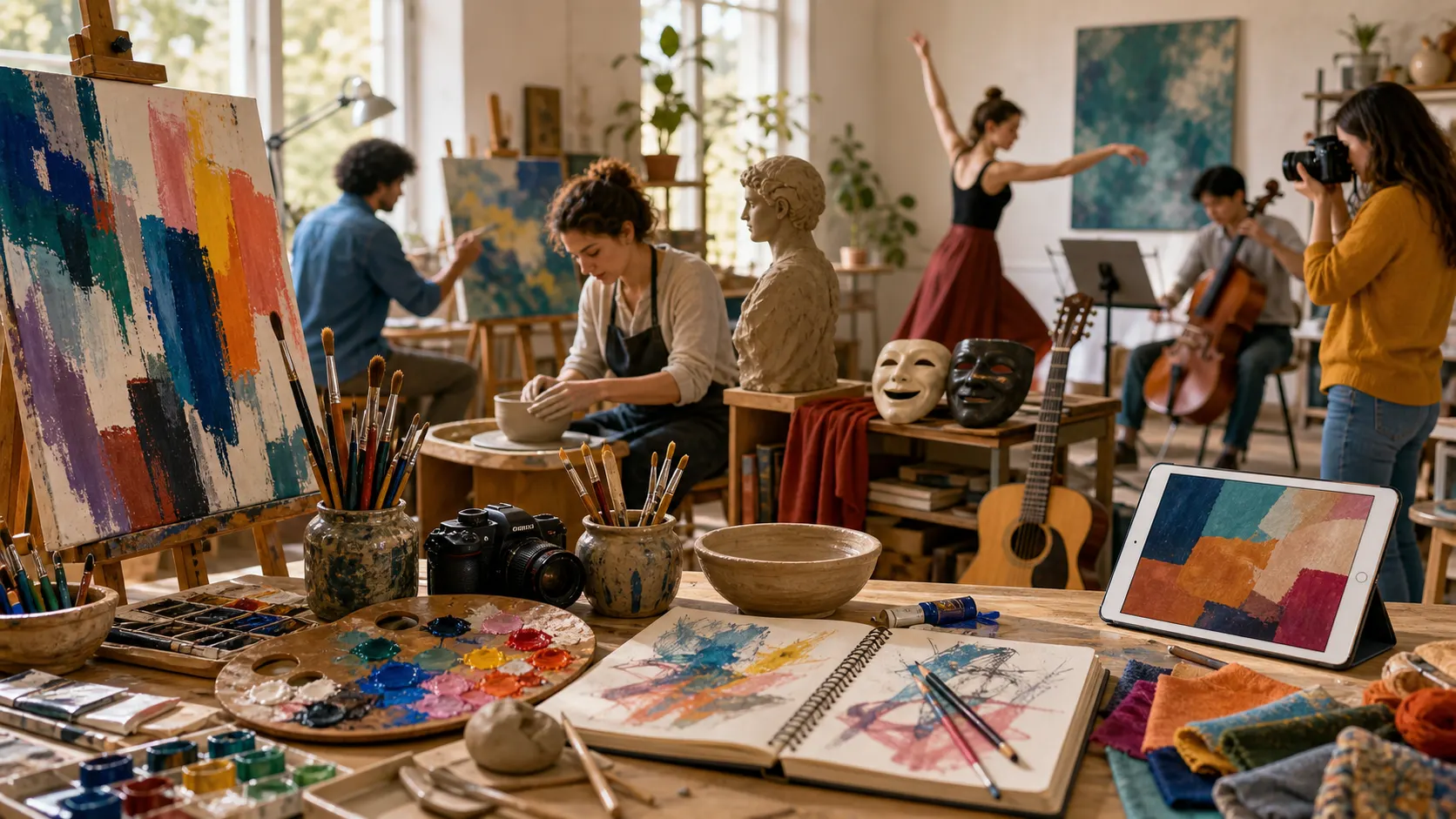
Art is the name given to all creative activities that allow people to express their emotions, thoughts, and experiences in an aesthetic way. Appearing in different forms in different cultures throughout history, art reflects how people perceive the world. Painting, sculpture, music, cinema, theater, and literature are among the most common examples of art.
The fundamental purpose of art is not only to create beautiful works. It is also to make people think, feel, and gain different perspectives. Therefore, art is considered a universal language of communication.
Contributions of Art to Individual Development
The effects of art on human life are quite extensive. Art offers significant benefits, particularly in terms of individual development. Individuals who engage with art increase their creativity while also developing problem-solving and critical thinking skills.
Artistic activities such as listening to music, painting, or reading books relax the mind and reduce stress levels. In the fast-paced rhythm of daily life, art allows people to dedicate time to themselves and connect with their inner world.
Furthermore, art helps people express their emotions in a healthier way. Especially for children and young people, being immersed in art during their developmental stages can increase their self-confidence and strengthen their communication skills.
The Importance of Art in Social Life
Art is a powerful element that affects not only individuals but also societies. A society's cultural values, traditions, and way of life are often passed on to future generations through works of art. Therefore, art plays a significant role in preserving cultural heritage.
Social events, wars, migrations, and social changes are frequently depicted in works of art. This allows people to better understand the past and gain awareness about various social issues. Art also strengthens inter-societal communication by building bridges between different cultures.
The Transformation of Art with Technological Advancement
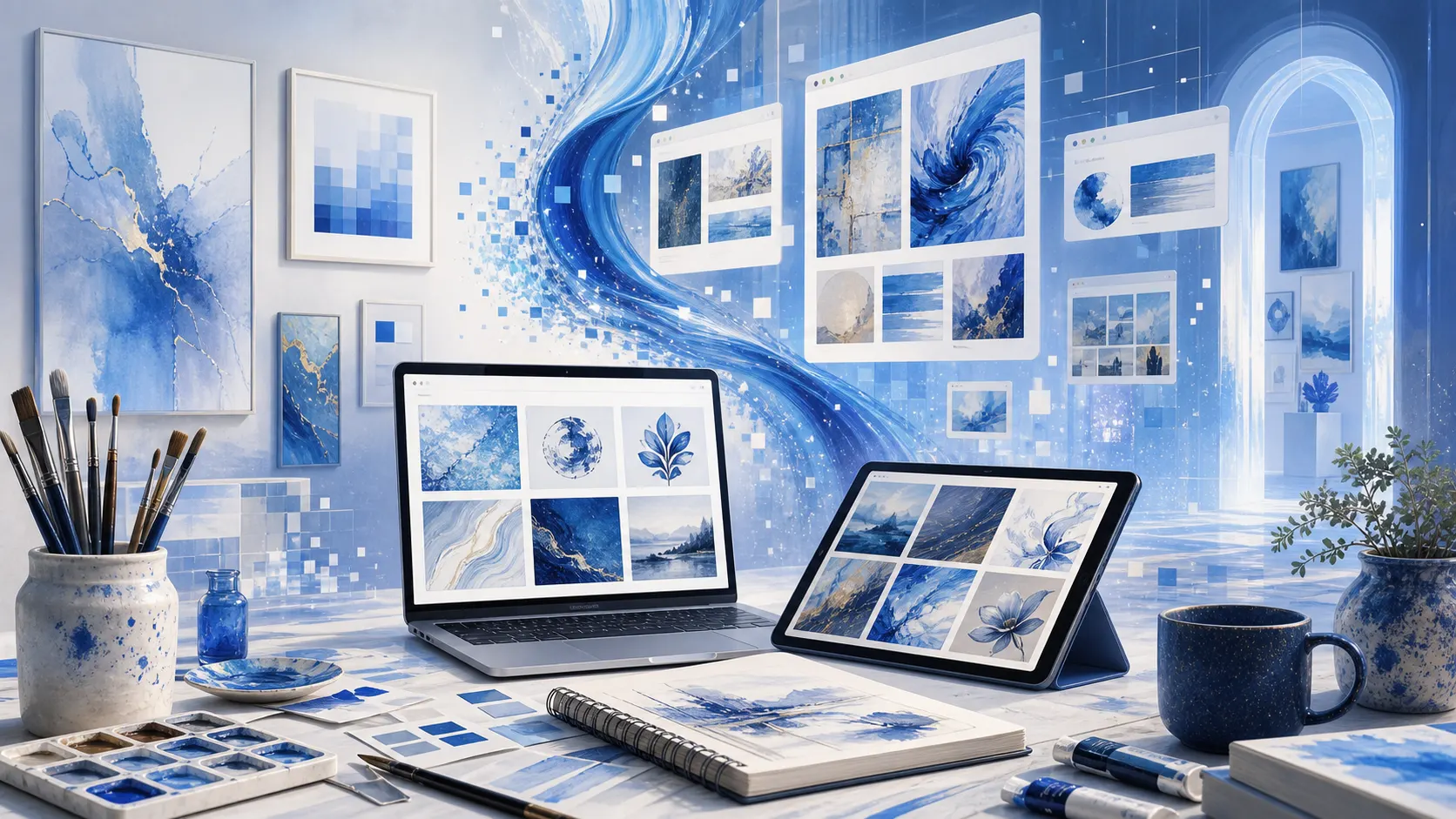
Technological advancements have significantly changed the art world. Digital art, online exhibitions, and virtual museums have made it much easier to access artworks. Thanks to the internet, artists from different parts of the world can reach millions of people with their works.
This transformation has enabled art to appeal to wider audiences while also paving the way for the emergence of new art forms. In particular, digital design and AI-powered art applications are adding a new dimension to the understanding of modern art.
Conclusion
Art is an indispensable part of human life. It allows individuals to express themselves, supports creativity, preserves cultural values, and creates social awareness. Although the accessibility of art has increased with technological advancements, its fundamental purpose remains unchanged: to encourage people to think, feel, and see the world from different perspectives.
Therefore, art continues to be an important and valuable part of life not only for artists but for everyone.

No comments yet. You can leave the first one.