
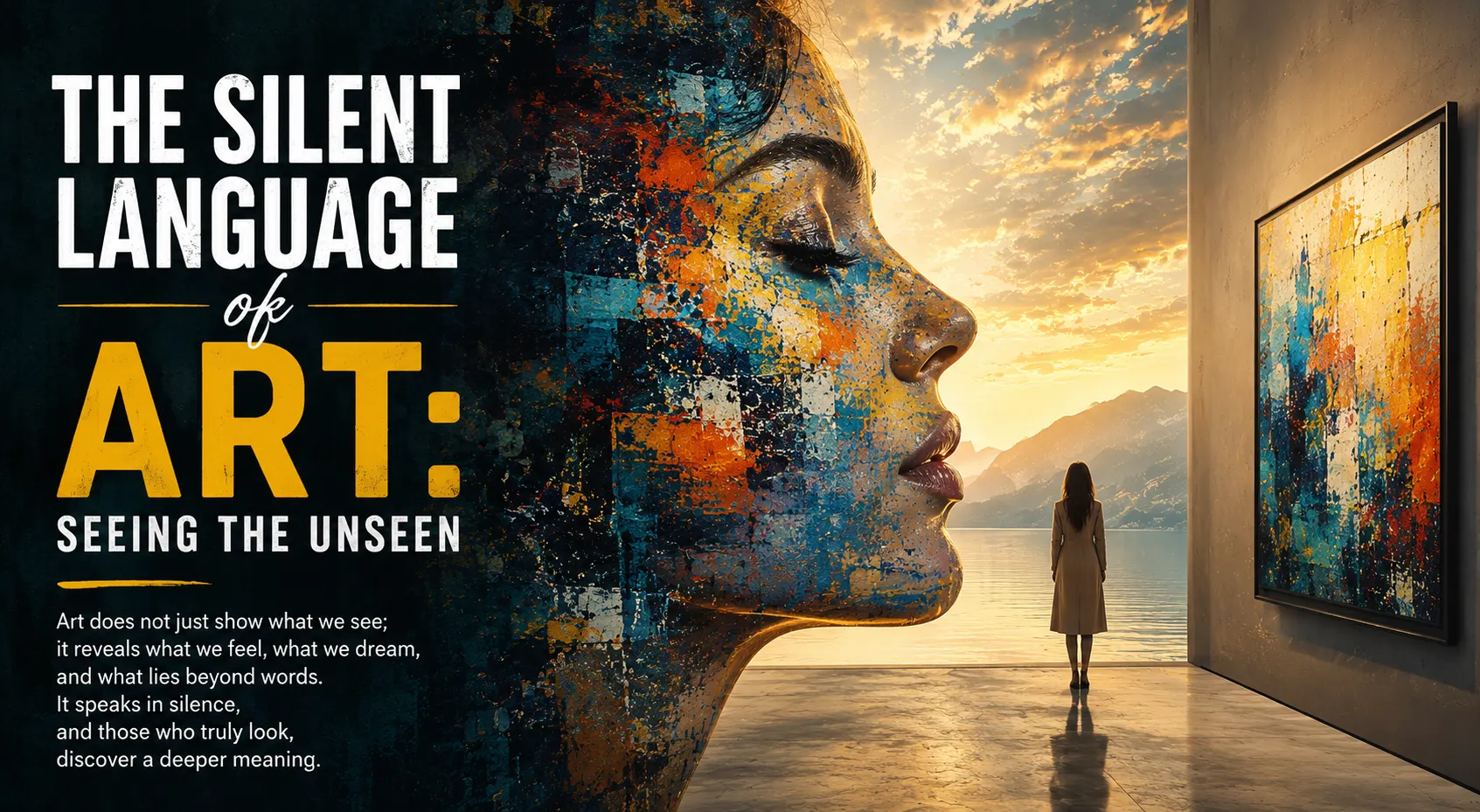
Throughout human history, art has been one of the most effective tools for conveying emotions, thoughts, and life experiences. Sometimes manifesting in the brushstrokes of a painter, sometimes in the stone sculpted by a sculptor, and sometimes in the image captured by a photographer's lens, art possesses the power to express what words cannot. Therefore, art is not only an aesthetic pursuit but also a gateway to the depths of the human soul. The phrase "The Silent Language of Art: Seeing the Invisible" points precisely to this. Because art often makes visible emotions that are invisible to the eye, details that go unnoticed, and meanings that are lost in daily life.
The Place of Art in Human Life
Art is one of the ways an individual expresses themselves. Throughout history, people have conveyed their experiences, beliefs, hopes, and fears through art. The process extending from the first paintings drawn on cave walls to today's digital artworks clearly demonstrates the indispensable place of art in human life.
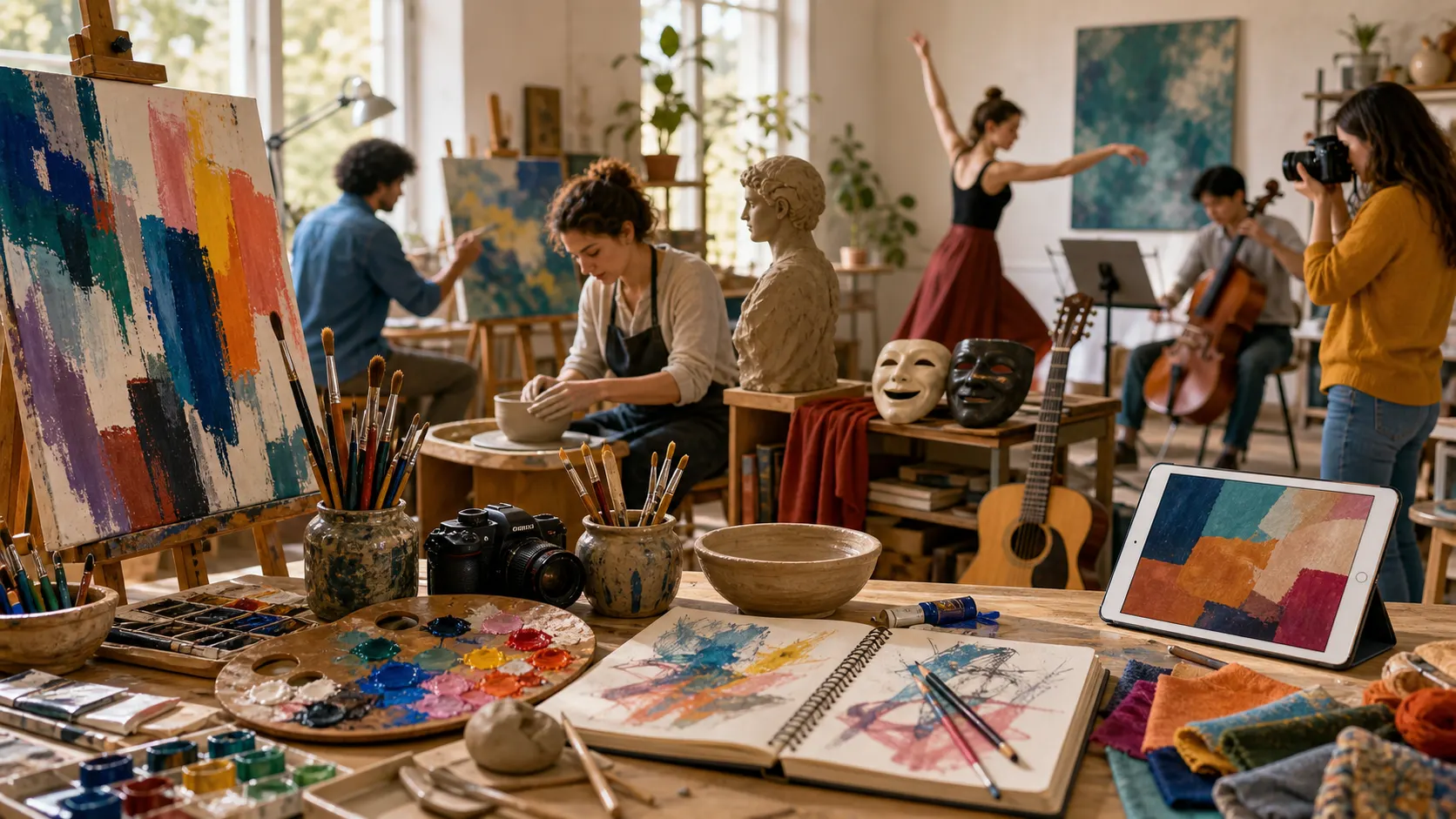
Today, art is not just a phenomenon encountered in museums or galleries. The murals we see on the streets, the films we watch, the music we listen to, and even the designs on the digital platforms we use are all reflections of art in our lives. Therefore, art is a universal language of communication that appears in every aspect of life.
The Fine Line Between Seeing and Noticing
In the fast pace of modern life, we overlook many details. Every day we walk down the same street, meet the same people, and experience similar things. However, most of the time we don't truly notice what's happening around us. One of the most important functions of art is to bring the individual to this awareness.
When looking at a work of art, it's not enough to just see the colors or shapes. It's necessary to try to understand the story behind the work, the message the artist wants to convey, and the emotional world they portray. This process allows the viewer not only to look but also to think and feel.
Works of art often highlight details that are overlooked in daily life. While a photographer immortalizes an ordinary moment, a painter can reflect emotional states that people don't notice onto their canvas. Thus, art makes the invisible visible.
The Powerful Connection Between Art and Emotions
One of the most impressive aspects of art is its strong connection with human emotions. We can feel sadness in front of a painting, travel back in time while listening to a piece of music, or feel awe in front of a sculpture. These experiences are a result of art's universal impact.
Every person's life story is different. Therefore, the same work of art can evoke different emotions in different people. A painting that means hope to one person may represent longing to another. This is where the magic of art emerges. Because art is not bound to a single correct interpretation. Each individual reinterprets the work according to their own experiences.
This situation allows art to communicate not only between the artist and the viewer, but also with people's own inner worlds. Through art, individuals can discover their suppressed emotions and get to know themselves better.
The Social Impact of Art
Art has a social as well as an individual power. Throughout history, many works of art have influenced the thought patterns of societies and have been pioneers of social change. Painters, writers, musicians, and filmmakers have contributed to raising awareness among people by reflecting the problems of their time in their works.
Art is an important bridge that brings different cultures closer together. People living in different parts of the world can meet in shared emotions through art. A musical work or visual art can create universal communication by eliminating language barriers.
In this respect, art is not only an individual experience but also an important part of cultural sharing and social unity. Through art, people can understand each other's stories and become more open to different perspectives.
The Changing Face of Art in the Digital Age
With the development of technology, art has also gained new forms. Digital art, augmented reality applications, and online exhibitions enable art to reach wider audiences. Now, people can examine works of art from anywhere in the world via the internet, and artists can share their works on a global scale.
However, the fundamental purpose of art has not changed. No matter how much technology advances, art continues to express human emotions and make the invisible visible. Digital tools have only diversified the methods of this narrative.
Especially in recent years, the increasing presence of art on digital platforms has increased access to art for younger generations.
This has facilitated [the process]. This situation presents significant opportunities for the future of art.
Conclusion
The silent language of art allows people to see not only with their eyes, but also with their hearts and minds. When a work of art is carefully examined, details and profound meanings that are not immediately apparent are revealed. Art helps individuals forge stronger connections with themselves and their environment by making invisible emotions visible.
Art is one way to discover the beauties, stories, and emotions that we often fail to notice amidst the intensity of daily life. Therefore, art is not only an aesthetic experience but also a journey of awareness. Seeing the invisible often begins with understanding the silent but effective language of art. Art reminds us that there are much deeper meanings beyond what we see on the surface of life and offers us the opportunity to look at the world from a different perspective.

No comments yet. You can leave the first one.