
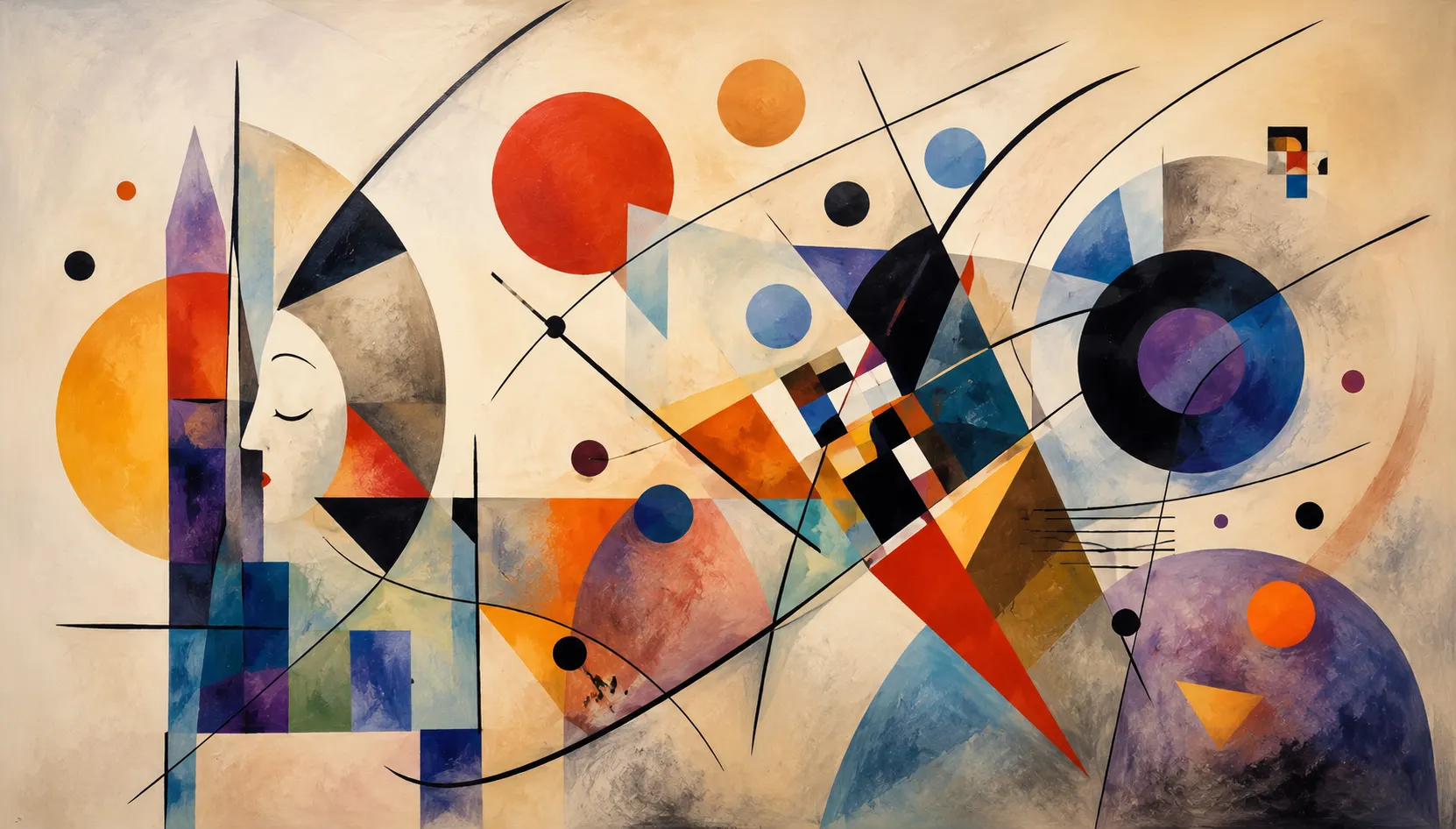
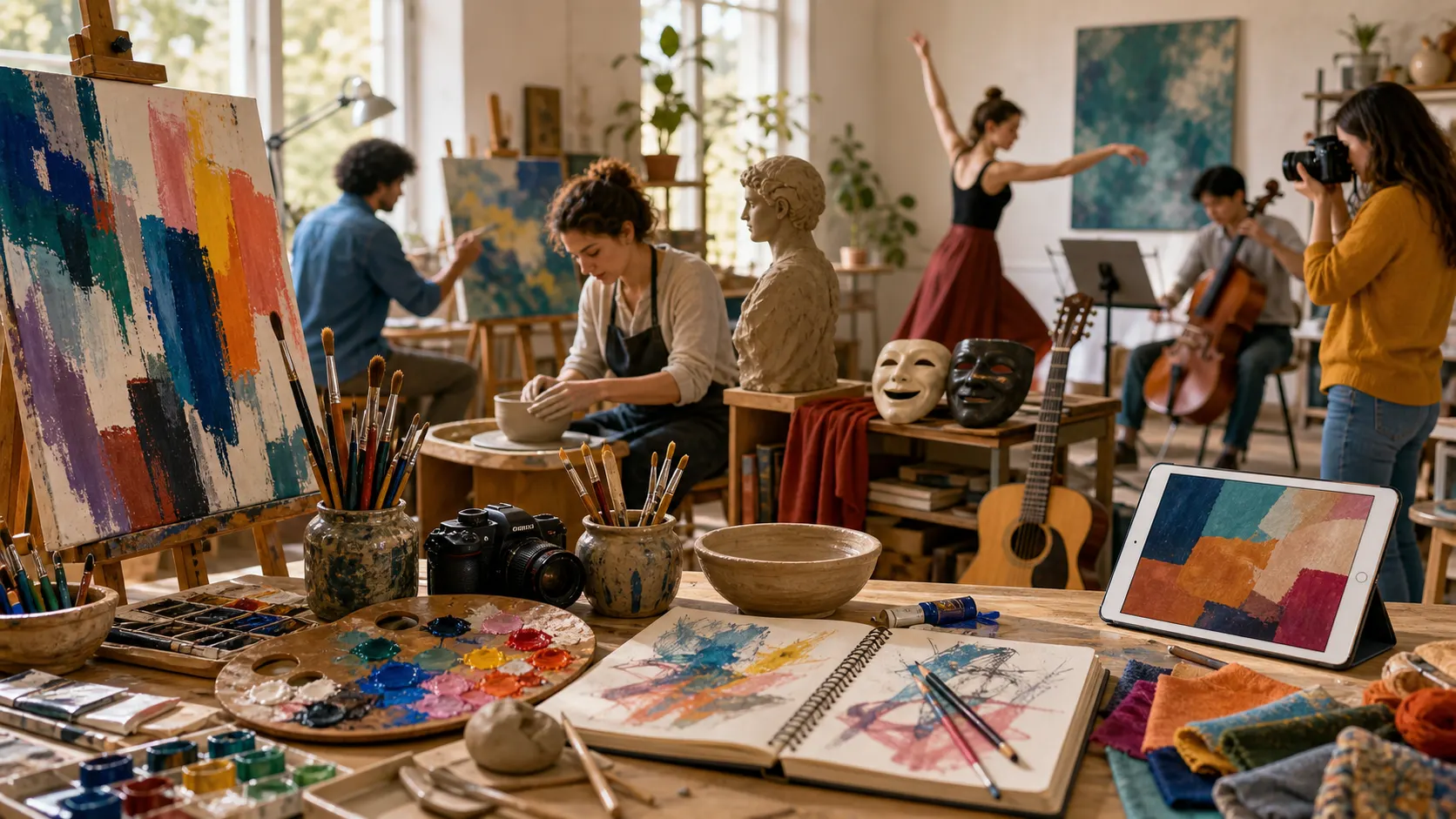
Throughout human history, art has represented much more than just an aesthetic form of expression. From painting to music, literature to sculpture, every art form has emerged as a result of humanity's effort to express its inner world. Therefore, the relationship between art and the human soul has been a significant topic of interest for philosophers, psychologists, and artists for centuries. So why does art touch the human soul so deeply? Why do people feel emotional in front of a painting, find themselves in a piece of music, or discover their own lives in the lines of a novel?
The Emotional Impact of Art on Humans
One of art's most powerful aspects is its ability to appeal to emotions. In the chaos of daily life, people often struggle to express their feelings. However, art makes these emotions visible. The colors a painter projects onto a canvas, the melody a musician puts into notes, or the lines a writer pens, resonate within people's inner worlds.
Music, in particular, is one of the art forms that can most quickly connect with the human soul. A happy melody can boost a person's energy, while a melancholic piece can evoke past memories. Similarly, a poem or novel can create powerful emotional effects when it resonates with the reader's own life experiences. Therefore, art contains not only what the artist wants to convey, but also the viewer's or reader's own story.
The Role of Art in Mental Healing
Modern psychology research reveals the positive effects of art on mental health. Engaging with art or interacting with works of art can reduce stress levels and help individuals feel better. This is especially important for people living under the pressures of busy work schedules and daily life.
Art therapy applications are a concrete example of this. Painting, listening to music, or engaging in creative writing helps individuals express their emotions. Many emotions that cannot be expressed in words can emerge through art. This process supports self-discovery and spiritual empowerment.
Art and the Journey of Self-Discovery
The human soul has a complex and profound structure. Often, individuals cannot fully recognize their own feelings and thoughts. Art, however, serves as an important guide on this inner journey. While examining a painting, listening to a song, or reading a book, people can gain new awareness about their own lives.
For example, the difficulties experienced by a character in a novel can allow the reader to evaluate the problems in their own life from a different perspective. Similarly, an abstract work of art can help bring to the surface emotions hidden in a person's subconscious. Therefore, art is not only a means of entertainment but also a powerful experience that supports individual development.
Social Memory and Art
The connection that art establishes with the human spirit is not only at the individual level. The collective memory of societies is also shaped through art. Wars, migrations, joys, and sorrows experienced throughout history have come to life in works of art. Thanks to these works, people can connect with the past and preserve their shared values.
A society's cultural heritage is passed on to future generations through art. This strengthens individuals' sense of belonging while also increasing social solidarity. The human spirit is nourished not only by individual experiences but also by the stories of the society in which it lives.
The Changing Face of Art in the Digital Age
With the advancement of technology, the forms of art production and consumption have also changed. Thanks to digital art, virtual exhibitions, and online concerts, art can now reach much wider audiences. However, despite the changing tools, the fundamental purpose of art remains the same: to touch the human soul and establish an emotional connection.
Today, a photograph shared on social media platforms, an illustration created in a digital environment, or a musical work published online can evoke emotions in people just like traditional works of art. This demonstrates that art is a universal force that adapts to time and technology.
Sonuç
Sanat ve insan ruhu arasındaki ilişki, insanlığın varoluşundan bu yana süregelen güçlü bir bağdır. Sanat, insanların duygularını ifade etmelerine, kendilerini keşfetmelerine ve ruhsal olarak iyileşmelerine yardımcı olur. Aynı zamanda bireyleri birbirine bağlayan ortak bir dil görevi üstlenir. Değişen dünyaya rağmen sanatın insan ruhundaki etkisi varlığını korumaya devam etmektedir.
Bir tabloya uzun uzun bakmamızın, bir şarkıyı defalarca dinlememizin veya bir kitabın sayfalarında kaybolmamızın nedeni de tam olarak budur. Çünkü sanat, insan ruhunun en derin noktalarına ulaşabilen nadir güçlerden biridir ve her zaman hayatımızın vazgeçilmez bir parçası olmaya devam edecektir.

No comments yet. You can leave the first one.