Art is one of the most powerful forms of expression in human history. Sometimes it reflects the spirit of an era, sometimes it heralds social change, and sometimes it becomes a silent gateway into the inner world of the individual. Therefore, these 10 works, which every art lover should see, stand out not only for their aesthetic value but also for their historical, cultural, and emotional meanings. Exhibited in various museums around the world, these masterpieces serve as a unique guide for those who want to understand how art has changed and developed over the centuries.
1. Mona Lisa – Leonardo da Vinci
Leonardo da Vinci's most famous work, the Mona Lisa, is exhibited in the Louvre Museum in Paris. With its mysterious smile, balanced composition, and sfumato technique, the painting is one of the most talked-about works in art history. What makes the Mona Lisa special is not only its technical mastery but also the deep and almost personal connection it establishes with the viewer. This work, which has attracted the attention of researchers, artists, and visitors for centuries, is considered one of the peak examples of Renaissance art.
2. Starry Night – Vincent van Gogh
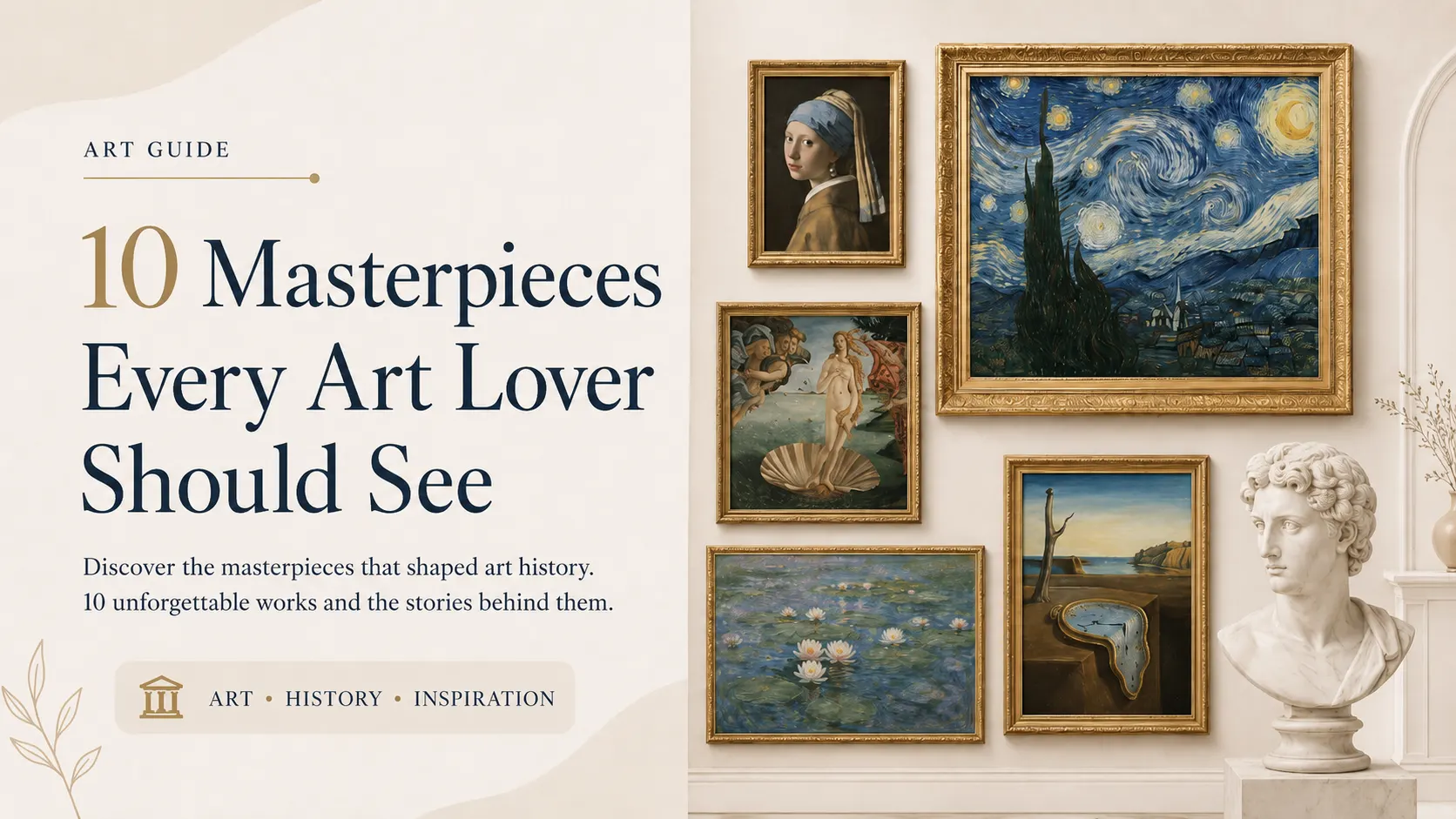
Vincent van Gogh's Starry Night is among the most impressive paintings in modern art. Reflecting the artist's emotional intensity and inner turmoil with powerful brushstrokes, this painting transforms the sky from an ordinary landscape into a spiritual experience. The shimmering stars, the moving moonlight, and the tranquil town scene evoke both peace and tension in the viewer.
3. David Statue – Michelangelo
Michelangelo's David Statue is one of the most important works demonstrating how the human body can be represented with perfect proportions in sculpture. This masterpiece, made of marble, is remarkable not only for its physical beauty but also for the message of courage, determination, and human will it conveys. Exhibited in Florence, David most powerfully represents the human-centered art understanding of the Renaissance period.
4. Guernica – Pablo Picasso
Pablo Picasso's painting Guernica is one of the most striking works of art depicting the devastating effects of war. Created with shades of black, white, and gray, this large composition powerfully reflects feelings of pain, fear, and helplessness. Guernica is not just a painting, but also a universal anti-war statement. It is one of the strongest proofs that art can take a political and humanitarian stance.
5. The Birth of Venus – Sandro Botticelli
Botticelli's The Birth of Venus is a unique Renaissance painting that brings together beauty, mythology, and grace. The figure of Venus depicted on a seashell has become a symbol of the ideal concept of beauty. Soft colors, fluid lines, and a poetic atmosphere give the work a captivating effect. This painting is one of the most impressive examples of mythological narrative in painting for art lovers.
6. The Creation of Adam – Michelangelo
Located on the ceiling of the Sistine Chapel, The Creation of Adam is one of Michelangelo's most famous frescoes. The outstretched hands of God and Adam have become one of the most reinterpreted scenes in art history. This work powerfully depicts the relationship between creation, humanity, and divine power through vivid visuals. The dynamism of the composition and the anatomical success of the figures clearly reveal Michelangelo's mastery.
7. Girl with a Pearl Earring – Johannes Vermeer
Johannes Vermeer's Girl with a Pearl Earring is an extremely impressive portrait despite its simple appearance. The young girl's gaze turned towards the viewer, the soft effect of light on her face, and the elegant sparkle of the pearl earring add a mysterious air to the painting. This work is often referred to as the "Mona Lisa of the North." Vermeer's use of light and attention to detail make the painting unforgettable.
8. The Persistence of Memory – Salvador Dalí
Salvador Dalí's The Persistence of Memory is one of the most well-known examples of surrealism. The melting clocks appear as powerful symbols questioning the concept of time. This painting, which blurs the lines between reality and dream, invites the viewer to step outside of conventional ways of thinking. Dalí's imagination, technical skill, and symbolic expression place his work in a special position in art history.
9. Water Lilies – Claude Monet
Claude Monet's Water Lilies series is among the most peaceful and impressive examples of Impressionist art. The artist depicted the constantly changing nature of his garden pond under different lighting conditions. The vibration of colors, reflections on the water's surface, and loose brushstrokes offer the viewer an instantaneous visual experience. This series by Monet is one of the important works that changed the way we look at nature.
10. The Kiss – Gustav Klimt
Gustav Klimt's *The Kiss* is an impressive painting that combines love, passion, and decorative richness. The intense use of gold tones, patterned surfaces, and the embrace of the figures give the work both a romantic and symbolic meaning. Klimt's unique style has made this work iconic not only in art history but also in popular culture.
Why is it Important to See Artworks?
Seeing these masterpieces doesn't just mean recognizing famous paintings or sculptures. Each artwork reflects the mindset, aesthetic understanding, and human experience of the period in which it was created. For an art lover, encountering these works means making direct contact with history, culture, and human emotions. Furthermore, studying artists from different periods helps understand how art has evolved.
Conclusion
These 10 works, which every art lover should see, represent different periods, movements, and emotional depths of art history. From Mona Lisa to Guernica, from Starry Night to The Kiss, these masterpieces reveal humanity's imagination, suffering, hopes, and search for beauty. For anyone interested in art, getting to know these works is an unforgettable journey that enriches visual culture.





No comments yet. You can leave the first one.